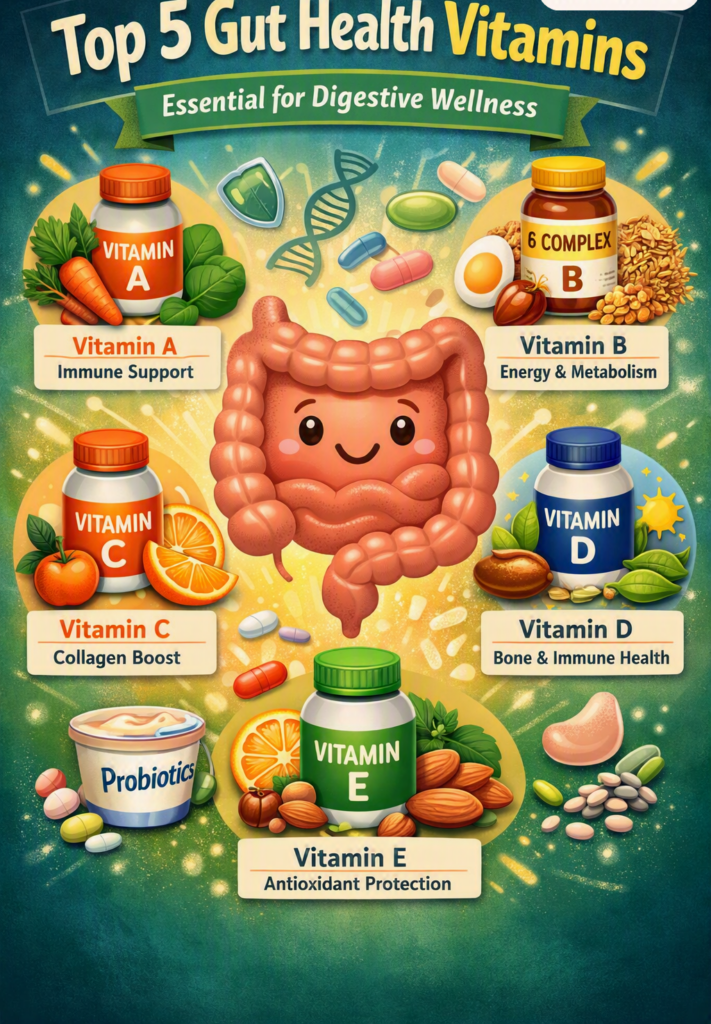
Top 5 Gut Health Vitamins: Uncovering Their Advantages
Updated September 6, 2026 – WeightWellnessHQ
Discovering the best vitamins for gut health can significantly enhance your digestive well-being. In a world where digestive disorders are prevalent, maintaining optimal gut health is critical. This article explores the top five vitamins that support your digestive system, comparing their unique benefits and how they can be integrated into your daily routine.
The Importance of Gut Health
Gut health is essential for overall well-being as it plays a pivotal role in digestion, nutrient absorption, and immune function. A healthy gut not only aids in breaking down food but also supports mental health through the gut-brain axis.
Recent studies suggest that gut health impacts various bodily systems, highlighting its importance beyond digestion. Proper gut function can help prevent issues like irritable bowel syndrome (IBS), bloating, and chronic inflammation. Therefore, nurturing your gut with essential nutrients is vital for maintaining balance and health.
The microbiome, a complex community of microorganisms in the digestive tract, is crucial to gut health. These microbes aid digestion and protect against harmful bacteria. Ensuring a balanced microbiome can lead to improved energy levels, better skin health, and enhanced mood regulation.
Incorporating vitamins known to support gut health is a proactive approach to sustaining a healthy digestive system. Understanding which vitamins are most beneficial can empower you to make informed decisions about your dietary supplements.
Understanding Vitamin Supplements
Vitamin supplements offer a convenient way to supply your body with essential nutrients that may not be sufficiently obtained through diet alone. They come in various forms, including tablets, capsules, powders, and liquids, each designed to meet different absorption needs.
Before starting any supplement regimen, understanding your body’s specific requirements is crucial. Not all vitamins are created equal, and factors such as age, lifestyle, and health conditions can influence your nutritional needs.
Consulting with healthcare professionals before incorporating new vitamin supplements is advisable. This ensures safety and efficacy in addressing any deficiencies or supporting specific health goals like improving gut health.
Quality is another key consideration when selecting vitamin supplements. Look for products that undergo rigorous testing and adhere to high manufacturing standards. Opting for trusted brands can provide assurance of the product’s purity and potency.
Comparing the Top 5 Gut Health Vitamins
| Vitamin | Benefits | Sources | Recommended Daily Allowance (RDA) |
|---|---|---|---|
| Vitamin A | Supports immune function and mucosal health | Carrots, sweet potatoes, spinach | 700–900 mcg |
| Vitamin B | Aids in energy production and red blood cell formation | Whole grains, eggs, dairy products | Varies by type |
| Vitamin C | Boosts immunity and promotes collagen synthesis | Citrus fruits, bell peppers, broccoli | 75–90 mg |
| Vitamin D | Enhances calcium absorption and supports immune health | Fatty fish, fortified foods, sunlight | 600–800 IU |
| Vitamin E | Acts as an antioxidant and supports cell membranes | Nuts, seeds, green leafy vegetables | 15 mg |
Benefits of Vitamin A, B, C, D, and E for Digestion
Vitamin A
Vitamin A is vital for maintaining intestinal mucosa integrity, which serves as a barrier against pathogens. This vitamin plays a critical role in immune function, enhancing the body’s ability to ward off infections that may disrupt gut health.
Vitamin B
Vitamin B complex, which includes B1, B2, B3, B6, B9, and B12, is essential for energy metabolism and red blood cell production. These functions are crucial for providing energy to the gut muscles, promoting effective digestion and nutrient absorption.
Vitamin C
Known for its immune-boosting properties, Vitamin C also supports collagen synthesis, which is necessary for maintaining the structural integrity of the gastrointestinal tract. It helps repair damaged tissues and enhances the body’s defense mechanisms.
Vitamin D
Vitamin D facilitates calcium absorption, which is vital for muscle function, including those in the digestive tract. By supporting immune health, it helps maintain a balanced gut flora, reducing the risk of dysbiosis.
Vitamin E
As a potent antioxidant, Vitamin E protects cell membranes from oxidative stress. This function is essential in preserving the integrity of gut cells and protecting them from damage caused by free radicals.
Choosing the Right Vitamin for Your Gut Health Needs
Selecting the appropriate vitamin supplements for gut health depends on individual needs and health goals. Considerations like dietary restrictions, existing health conditions, and specific digestive concerns should guide this choice.
For those with immune-related gut issues, Vitamin A might be particularly beneficial. If energy levels and overall metabolism are a concern, the Vitamin B complex could be more suitable.
Individuals aiming to enhance their immune system and tissue repair processes might benefit from incorporating Vitamin C. For those who have limited sun exposure or bone health concerns, Vitamin D supplementation could be advantageous.
Vitamin E is recommended for individuals seeking to reduce oxidative stress and protect gut cells. Assessing these factors can help tailor a supplement plan that effectively supports your digestive health.
Recommended Gut Health Products
In addition to vitamins, certain supplements and tools can support digestion, microbiome balance, and overall gut comfort. Here are a few options that pair well with a gut-health–focused routine:
- Physician’s Choice Probiotics 60 Billion CFU – A high-potency probiotic designed to support gut flora balance, reduce bloating, and promote regularity.
- Garden of Life Dr. Formulated Probiotics Women’s Once Daily – A women’s probiotic formula that supports digestive health, immune function, and vaginal microbiome balance.
- Renew Life Digestive Enzymes – Digestive enzymes that help break down food more efficiently and may reduce gas, bloating, and discomfort after meals.
- NutriBullet Personal Blender (Classic 600W) – A compact blender ideal for gut-friendly smoothies, fiber-rich shakes, and vitamin-packed drinks that support digestion.
- Huel Complete Protein – A plant-based protein powder that can be used as part of a balanced routine to support satiety, muscle maintenance, and overall daily nutrition.
Tips for Incorporating Gut Health Vitamins into Your Routine
Integrating vitamins into your daily routine requires consistency and adherence to recommended dosages. Here are some tips to optimize their benefits:
- Consult a healthcare provider to tailor a vitamin regimen based on your specific needs.
- Choose high-quality supplements from reputable brands to ensure maximum efficacy.
- Incorporate vitamins into your meals to enhance absorption and minimize stomach discomfort.
- Keep a schedule or set reminders to maintain a consistent supplementation routine.
- Monitor your body’s response and adjust dosages under professional guidance if necessary.
Conclusion
Understanding the best vitamins for gut health empowers you to make informed nutritional choices. Each vitamin offers unique benefits, supporting various aspects of digestive health. By selecting the right supplements tailored to your needs—and pairing them with supportive products like probiotics, digestive enzymes, and gut-friendly nutrition—you can enhance your gut health, improve digestion, and boost overall well-being.
Frequently Asked Questions
What is the role of Vitamin A in gut health?
Vitamin A maintains the integrity of the intestinal mucosa, acting as a barrier against pathogens and supporting immune function to prevent infections that can disrupt gut health.
Can Vitamin C improve gut health?
Yes, Vitamin C boosts immunity and supports collagen synthesis, vital for maintaining the structural integrity of the gastrointestinal tract and repairing damaged tissues.
How does Vitamin D affect digestion?
Vitamin D enhances calcium absorption, crucial for muscle function in the digestive tract, and supports immune health to maintain a balanced gut flora.
Are there natural sources of these vitamins?
Yes, natural sources include carrots and spinach for Vitamin A, whole grains and eggs for Vitamin B, citrus fruits for Vitamin C, fatty fish for Vitamin D, and nuts for Vitamin E.
How can I ensure I’m taking the right vitamins for my gut health?
Consult a healthcare provider to assess your specific needs and choose supplements that align with your health goals and dietary restrictions.